




Blog / Car Safety Tips

Your Guide to the Ultimate Roadside Emergency Kit

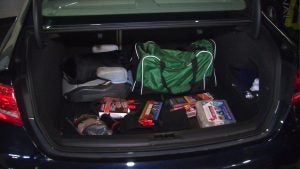
Correctly Packed Trunk

Whether you're commuting to work or on a family road trip, you should always be prepared in case of an emergency while on the road. The easiest way to stay prepared is to keep an emergency kit in your vehicle. Let's talk about some of the items your kit should contain.

Maintenance Tools

Every vehicle emergency kit should contain some basic maintenance and repair tools. The most basic of these tools is your car's maintenance manual, your insurance card, and a business card for the local repair shop. While you might be able to look up this information on your smartphone, it's always a good idea to keep hard copies available. You never know when your phone service might go down. 

The most common emergency you'll probably face while on the road is a flat tire, so be sure to keep a properly maintained spare tire, a tire jack, and a tire iron in your car. You'll also want to keep a can of Fix-A-Flat or other tire sealer in your car so you can plug any leaks. Make sure to get your car to a repair shop as soon as possible. It's never a good idea to drive too long on a spare tire or a tire with a leak. Doing so is dangerous and can actually damage your vehicle.

Another common issue you might face is a dead battery. Make sure to keep jumper cables or an emergency battery booster handy. It's a good idea to familiarize yourself with how those items work ahead of time so you don't panic in an emergency situation.

Survival Items

Hopefully, you don't get stranded in the middle of nowhere for long periods of time before help can arrive in an emergency. If you do find yourself in such a situation, having survival items on hand can make the circumstances less dire. Common survival items that you should keep in your kit include first aid equipment, a flashlight, matches, energy bars, and bottles of water. 

Paper maps are also essential. Again, you never know when your phone might go dead or service might not be available. If you're traveling through a cold climate, it's a good idea to have an ice scraper, a mylar space blanket, and extra clothes.

Comfort Items

Making sure you're comfortable, even in emergencies, can help you stay calm and relaxed. That's why it's a good idea to keep comfort items in your emergency kit. You'll probably end up wishing you had toilet paper, paper towels, an umbrella, or a phone charger, if you haven't already packed them in your car. It's also a good idea to keep a spare change of clothes handy. There's no reason to sit around in damp or dirty clothes if you don't have to. That would just add more stress to the situation.

By making sure you're prepared for just about any emergency situations, you'll be able to drive with less stress and a lot more confidence. 

Image via Flickr by State Farm

Posted in:

Related Posts

batman garage door

4 Ways to Keep Your New Car Looking its Best for Longer

There's nothing quite like that new car smell. Now they even have air fresheners with that new car scent. But how do you keep the rest of your vehicle looking like new? Here are four ways to help you keep your car looking its best. 1. Wash and Wax Your Vehicle Regularly Many people ignore washing their car on a regular basis. Dirt and dust can build up. Pollen is another culprit that can sneak up on you, coating your car with a yellowish film. If you park in the shade of a tree beware of the sap and the bird droppings. Both leave ugly marks, but the sap can actually leave a nasty stain. more Wash your car every week and you'll keep it looking new longer. A good tip is to use soft sponges and a soap designed for cars. Your vehicle's paint is different than most other paints and needs special care. Another good tip is to dry your vehicle with a soft terrycloth or microfiber towel. Water can collect in unexpected areas, leading to rust over time. Drying it thoroughly can help prevent the corrosive effects of standing water. While you don't need to wax your car every time you wash it, you should do so every month or so. Waxing will leave your car looking shiny and new. It also creates a barrier between your car's exterior and the elements. 2. Park in the Garage Leaving your vehicle outside exposes it to the sun. The sun can fade your paint over time, but that isn't the worst thing that can happen if left outside. That cool moist dew you find on your vehicle can be harming your car. The pollution in the air from all the vehicles on the roads, factories, and more all floats up in the hot air during the day. At night, the air cools and these pollutants are carried down again in the dew. These pollutants can eat away at your paint, chrome, and rubber on your car. If you have a garage, park your car there. Covering your vehicle with a car cover is the next best thing. A carport can help to some degree but it still leaves your car susceptible to pollutants. 3. Don't Park Under Trees If you've ever parked beneath a tree you've probably had sap and leaves and twigs fall on your vehicle. Maybe even a branch or two has fallen onto your car, possibly leaving a scratch or dent. The shade might be nice when you get into a cooler car, but the inevitable risk from above isn't worth it. If your driveway is beneath a tree you should consider trimming it back or cutting it down. 4. Tint Your Windows Window tint not only adds a certain stylish look, but it also protects the car's interior from the sun. The sun's rays are often magnified by the glass on your car, causing the leather, cloth, and plastics within to fade. You don't have to buy a new car every three years to drive one that looks new. Just follow these four simple steps and your car will look like new for a long time. Image via Pixabay.com

car brakes

5 Bad Braking Habits to Break

Your brakes are one of your car's most important operating systems. However, braking the wrong way will put undue stress on these critical components, leading to possible failure. Here is a list of five bad braking habits to stop today — before you can't stop at all. 1. Riding Your Brakes The biggest danger of riding your brakes is the real possibility of creating too much heat. Under these conditions, pushing the brake pedal won't build up the necessary pressure in the system, causing your brakes to fail. Brake fade also occurs when heat causes a chemical reaction that creates gas bubbles between pads and rotors, reducing overall efficiency. more In addition to these immediate effects, the long term effects of riding your brakes lead to serious mechanical issues. Your pads and shoes are designed to wear down with use. Riding the brakes speeds up this process significantly. Over time, the heat buildup will damage components. Rotors can warp, and non-metallic parts such as seals can melt, causing leaks. 2. Hard Braking Hard braking is a habit that isn't doing your brake system any good. Unless you're going down a very steep hill, stop it. Regularly stomping on the brakes is a sign you're accelerating too hard or not paying enough attention to traffic — or both. Smooth acceleration and braking will do more than ensure your brakes last longer. This good habit helps save on fuel costs and will keep you safer behind the wheel. 3. Resting Your Foot on the Pedal Some people have a bad habit of resting their foot on the brake pedal. With this practice, you may accidentally hit the brakes while driving. Not only is this a dangerous situation for you, but it's also a problem for other drivers because any sudden stops could lead to a collision, so rest your foot on the floor instead. 4. Not Coasting If you slam on the brakes just as you get to the red light, you're going to add stress to your brakes. Next time, try coasting instead. When you're coming up to an intersection, lift off the accelerator and let the car slow down on its own. Who knows, by the time you coast to a stop, the traffic light may have turned green, and you won't even need to use the brakes at all? Looking ahead to anticipate traffic situations is a terrific habit and will prevent you from braking too soon, saving the brakes for when you really need them. 5. Not Getting Serviced Get your brakes serviced regularly by a certified technician. These experts undergo frequent training, so they are always up-to-date on every aspect of your car's vital systems. Brakes must be serviced to ensure they function correctly, and your vehicle is safe to drive. Have your brakes inspected if you notice any signs of wear, including sticking or seizing up, or whenever you hear unusual brake noises. Many drivers don't know how to brake properly and practice bad habits. Use these tips to stay safe on the way. Image via Pixabay.com

car wash

6 Spring Car Cleaning Tips for Your Jeep

With spring just around the corner, it's time to prepare your Jeep for warm-weather road trips and off-road adventures. You give your house a thorough spring cleaning, and you should do the same for your Jeep. Here are six tips to help make sure your Jeep is ready for anything. 1. Wash the Undercarriage Your Jeep's undercarriage takes on a lot of dirt and grime throughout the winter months. When all of this muck builds up, it makes your Jeep heavier and can cause corrosion. To make sure that the undercarriage is thoroughly clean, use a pressure washer. You should also pressure wash under the Jeep's fenders. Consider investing in some off-road fenders, which will reduce the amount of mud that can build up underneath. more 2. Keep Washing Of course, the rest of your Jeep deserves a thorough washing as well. Winter debris can cause as much damage to your Jeep's paint as it does to the undercarriage. While you're washing your Jeep, make sure to clean the headlights and taillights. Hand washed lights look and perform better than dirty lights. Make sure the windows are clean and free of streaks that can interfere with visibility. After your Jeep is clean, apply a coat of wax to help preserve its paint. 3. Do a Maintenance Check After your Jeep is free of mud and grime, you should pop open the hood and inspect the engine compartment. Look underneath the engine to make sure there is no damage. Also, keep an eye out for worn parts and hoses and wires that may have come loose. You can also check the oil and other fluids and top them off if necessary. It's also a good idea to change your Jeep's oil. 4. Clean the Inside The inside of your Jeep can get as dirty as the outside, especially if you enjoy off-roading. Dust and mud can cause permanent damage to interior surfaces and carpet. Slush mats and cargo mats can help protect these surfaces and make cleaning the interior much more manageable. 5. Install New Wiper Blades Icy windshields can cause excessive wear and tear on your Jeep's windshield wipers, making them virtually useless. Luckily, replacing wiper blades is an effortless task. You should also make sure that there is plenty of washer fluid in the reservoir. 6. Prepare for Off-Roading You never know what could go wrong when off-roading, so it's crucial for you and your Jeep to be as prepared as possible. If you plan on traversing sandy terrain, it's a good idea to reduce air pressure in your tires by 10 to 12 pounds. This makes your Jeep less likely to get stuck. For rocky conditions, you should outfit your Jeep with rock rails. Be sure to pack a tire repair kit, a jump start kit, and a tire jack. These are just some of the things you can to do to make sure your Jeep is ready for the spring season. By taking these steps, you'll be able to drive your Jeep with confidence. Image via Pixabay.com