


2026 & 2027 Jeep Wrangler Gas Mileage
Jeep Wrangler EPA MPG, 4xe Range & Powertrain Guide
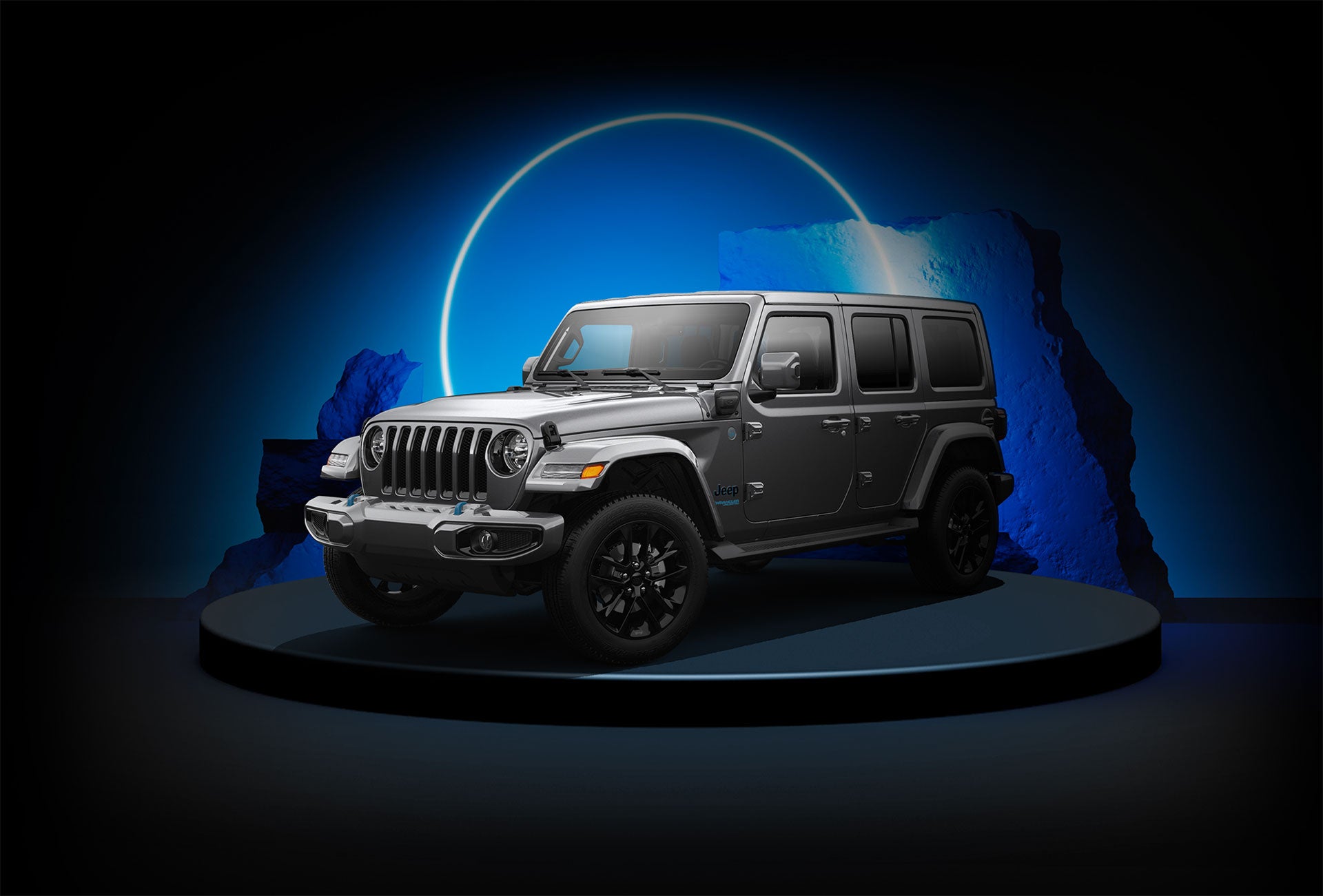
For the 2026 and 2027 model years, the Jeep Wrangler lineup provides EPA-estimated fuel economy ratings ranging from 20 city / 21 highway MPG with the standard 2.0-liter turbocharged direct-injection engine up to 49 MPGe combined (with 21 miles of all-electric driving range) on the Wrangler 4xe Plug-in Hybrid. Drivers choosing the 3.6-liter Pentastar® V6 achieve up to an EPA-estimated 19 city / 24 highway MPG with the eight-speed automatic transmission.
Whether you commute daily along East 2nd Street in Casper, drive the windy corridor of Interstate 25 toward Douglas and Buffalo, or head up toward Casper Mountain and the Muddy Mountain Environmental Education Area, selecting the proper powertrain balances off-road crawl capability with real-world fuel economy.
| Powertrain / Engine | Horsepower & Torque | Transmission & Drivetrain | EPA-Estimated MPG / MPGe | Total Driving Range | Max Towing (when properly equipped) |
|---|---|---|---|---|---|
| 2.0L Turbocharged I-4 Direct Injection | 270 hp / 295 lb-ft | 8-Speed Automatic 4WD (Command-Trac / Selec-Trac) |
EPA-estimated 20 city / 21 hwy / 20 combined MPG | Up to 451 miles (4-Door) Up to 367 miles (2-Door) |
Up to 5,000 lbs (4-Door) Up to 2,000 lbs (2-Door) |
| 3.6L Pentastar® V6 with ESS (Automatic) | 285 hp / 260 lb-ft | 8-Speed Automatic 4WD (Command-Trac / Selec-Trac) |
EPA-estimated 19 city / 24 hwy / 21 combined MPG | Up to 516 miles (4-Door) Up to 420 miles (2-Door) |
Up to 5,000 lbs (4-Door) Up to 2,000 lbs (2-Door) |
| 3.6L Pentastar® V6 with ESS (Manual) | 285 hp / 260 lb-ft | 6-Speed Manual 4WD (Command-Trac / Rock-Trac) |
EPA-estimated 16 city / 21 hwy / 18 combined MPG (4-Dr) 17 city / 23 hwy / 19 combined MPG (2-Dr) |
Up to 451 miles (4-Door) Up to 402 miles (2-Door) |
Up to 5,000 lbs (4-Door) Up to 2,000 lbs (2-Door) |
| 2.0L Wrangler 4xe Plug-in Hybrid (PHEV) | 375 hp / 470 lb-ft combined | 8-Speed PHEV Automatic 4WD (Selec-Trac / Rock-Trac) |
EPA-estimated 49 MPGe combined (gas+electric) EPA-estimated 20 MPG combined (gas only) |
21 miles all-electric 370 miles total range |
Up to 3,500 lbs |
| Rubicon 392 (6.4L SRT HEMI® V8) | 470 hp / 470 lb-ft | 8-Speed Automatic Full-Time 4WD (Selec-Trac) |
EPA-estimated 13 city / 16 hwy / 14 combined MPG | Up to 301 miles | Up to 3,500 lbs |
2026 & 2027 Jeep Wrangler 4xe Efficiency, Range, and Charging in Casper
The Jeep Wrangler 4xe integrates a 2.0-liter turbocharged four-cylinder engine with two electric motor-generators and a 17.3-kWh lithium-ion battery pack mounted securely under the second-row seats. This setup provides 375 combined horsepower and 470 lb-ft of instant torque while delivering an EPA-estimated 49 MPGe and an EPA-estimated 21 miles of all-electric range.
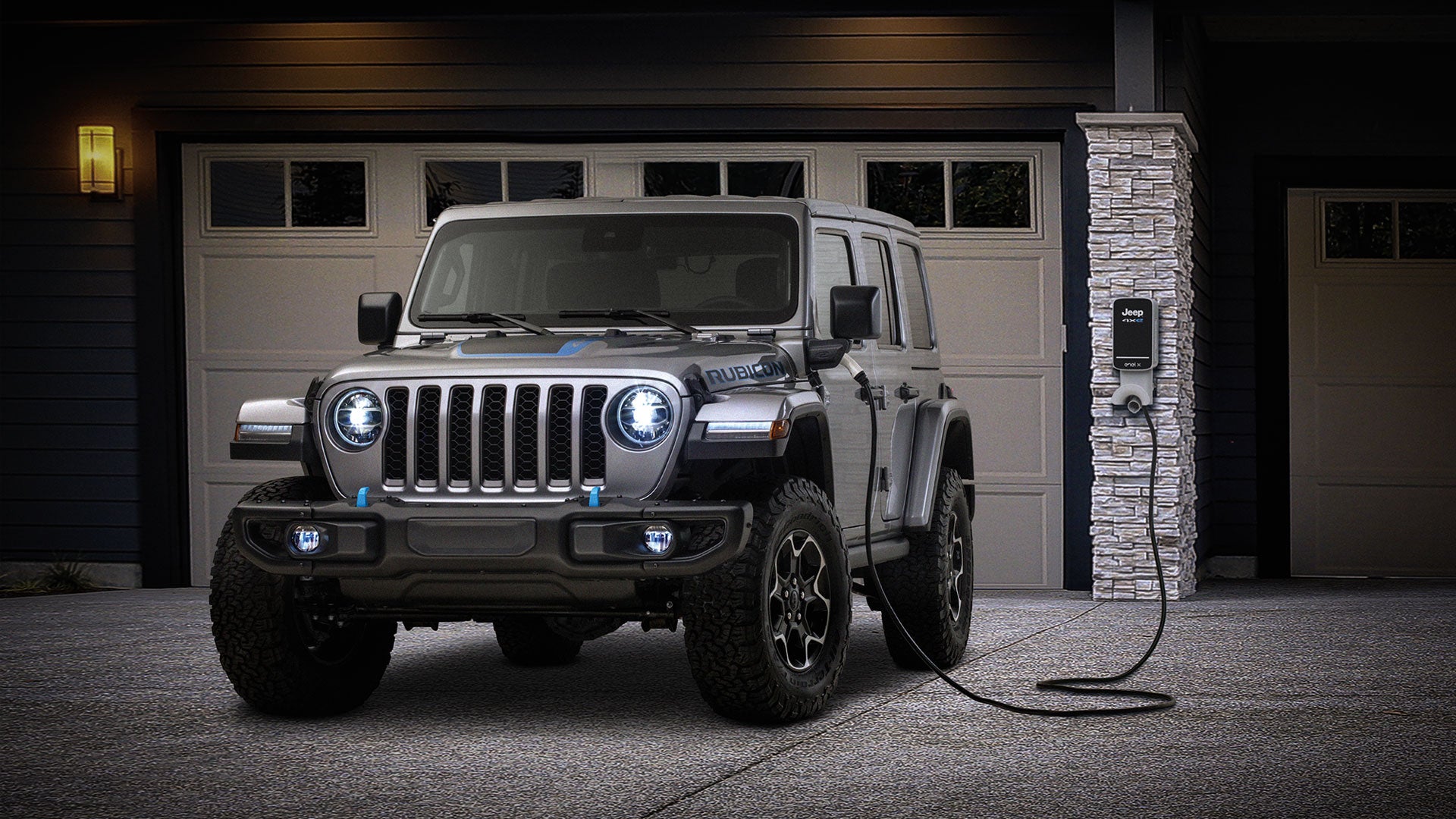
Drivers can customize how energy is distributed using steering wheel-mounted E-Selec buttons:
- Hybrid Mode: The default operating mode blends electric motor output with internal combustion power, maximizing acceleration while optimizing fuel consumption across Natrona County highways.
- Electric Mode: Operates strictly on battery power for zero tailpipe emissions up to an EPA-estimated 21 miles. This covers daily errands from Bar Nunn down to Wyoming Medical Center or Eastridge Mall before burning a drop of gasoline.
- eSave Mode: Prioritizes the 2.0-liter gasoline engine to preserve battery charge for rocky trail ascents, campsite power, or low-RPM rock crawling where instant electric torque shines.
- Max Regeneration: Allows one-pedal-style slowing during descents down Casper Mountain, capturing deceleration energy that standard friction brakes waste as heat and returning it directly into the battery pack.
Charging the Wrangler 4xe is straightforward. The included Level 1 120-volt charging cord plugs into standard home outlets, completing a full battery replenishment overnight in approximately 12 hours. Upgrading to a Level 2 240-volt charging station at home or using public chargers in Casper reduces charge time to approximately 2 to 2.5 hours.
Gasoline Powertrains: 2.0L Turbo vs. 3.6L Pentastar® V6
For drivers who prefer traditional internal combustion powertrains, Jeep provides two distinct engines across the two-door and four-door configurations.
2.0L Direct-Injection Turbo I-4
Power: 270 hp and 295 lb-ft of torque at 3,000 rpm.
Efficiency: EPA-estimated 20 city / 21 highway / 20 combined MPG.
Characteristics: A twin-scroll, low-inertia turbocharger delivers swift throttle response and strong low-end pulling power. Paired standard with an eight-speed automatic transmission, it is an agile choice for city driving and trail climbing alike.
3.6L Pentastar® V6 with ESS
Power: 285 hp and 260 lb-ft of torque at 4,800 rpm.
Efficiency: Up to EPA-estimated 19 city / 24 highway MPG (automatic) or 16 city / 21 highway MPG (manual).
Characteristics: Proven naturally aspirated reliability with linear power delivery. It remains the exclusive engine in the lineup paired with an available six-speed manual transmission for drivers who prefer mechanical shifting engagement.
Two-door Wranglers feature a 17.5-gallon fuel tank, providing an estimated highway driving range of over 400 miles with the 3.6-liter automatic. Four-door models feature a 21.5-gallon tank, pushing total highway cruising range beyond 500 miles on a single fill-up—ideal for long stretches across Wyoming without frequent service stops.
Wyoming Driving Dynamics: Elevation, Cold Weather, and Wind Factors
Driving in Casper presents distinctive geographic conditions that influence real-world vehicle efficiency beyond laboratory EPA test cycles.
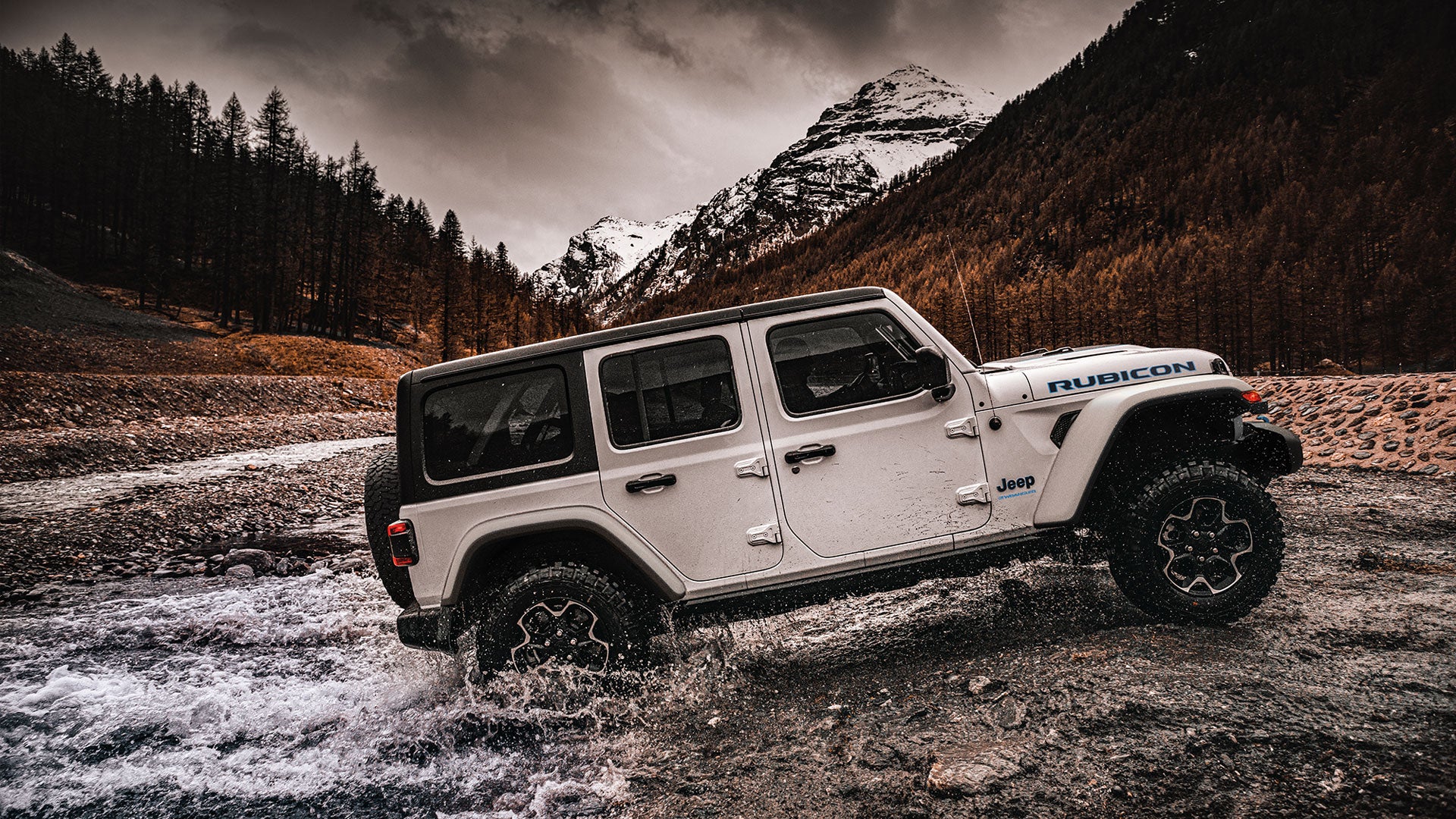
- Casper Elevation (5,150 ft) and Mountain Passes: Atmospheric air density thins as altitude increases. Naturally aspirated engines lose roughly 3% of their horsepower per 1,000 feet of elevation, amounting to a 15% reduction in Casper and exceeding 20% on mountain passes such as South Pass or Powder River Pass. The 2.0L Turbo and 4xe Hybrid counteract this altitude drop because forced-air induction compresses thinner mountain air, while electric drive motors deliver full torque unaffected by atmospheric pressure.
- Sub-Zero Winter Efficiency & 4xe Battery Preconditioning: Cold temperatures increase motor oil viscosity and slow electrochemical battery reactions. On Wrangler 4xe models, scheduling cabin and battery preconditioning through the Uconnect® system while plugged into a Level 2 charger warms the battery pack and cabin using wall power, preserving full electric range before you depart into freezing winter temperatures.
- Interstate 25 Wind Resistance & Gearing: Cruising at 80 mph through Central Wyoming wind corridors increases aerodynamic drag on the Wrangler's upright silhouette. Keeping tires inflated to recommended door-jamb PSI and utilizing smooth cruise control helps maintain highway efficiency.
- Tire Selection & Rolling Resistance: Upgrading from standard 32-inch all-season tires to 33-inch Rubicon all-terrains or the factory Xtreme 35 Package (35-inch BFGoodrich® tires with 4.56 or 4.88 axle gearing) adds rolling resistance and rotational mass, which typically adjusts real-world fuel economy by 1 to 2 MPG while adding critical rock and snow clearance.
Towing Capacities and Fuel Economy Under Load
When properly equipped, modern four-door Wrangler models with the 2.0-liter Turbo or 3.6-liter V6 and the factory full-float Dana® 44 HD rear axle achieve a maximum towing capacity of up to 5,000 pounds. Two-door Wrangler configurations tow up to 2,000 pounds when properly equipped, while the Wrangler 4xe and Rubicon 392 tow up to 3,500 pounds when properly equipped.
Pulling utility trailers, snowmobile trailers, or small campers over Wyoming highway grades naturally lowers fuel economy by 4 to 8 MPG depending on aerodynamic profile and cargo weight. The low-RPM torque of the 2.0L Turbo (295 lb-ft) and 4xe hybrid (470 lb-ft) holds higher transmission gears on moderate inclines, preventing unnecessary engine revving and smoothing overall fuel consumption.
Fremont Care & Certified Service Support
Every eligible vehicle purchase at Fremont Motor Casper CDJR includes Fremont Care, providing 2 oil changes and 2 tire rotations within the initial 12 months of ownership on qualifying vehicle purchases. Routine tire rotations promote even tread wear across aggressive all-terrain tires, maintaining low rolling resistance and consistent fuel economy.
For shoppers exploring pre-owned models, our Fremont Certified Pre-Owned inventory undergoes a rigorous multi-point mechanical and safety inspection performed by factory-certified technicians, complete CARFAX® vehicle history verification, and limited warranty coverage.
Frequently Asked Questions
How many miles per gallon does a 2026/2027 Jeep Wrangler get?
The 2026 and 2027 Jeep Wrangler delivers an EPA-estimated 20 city / 21 highway / 20 combined MPG with the 2.0L Turbo engine, up to 19 city / 24 highway / 21 combined MPG with the 3.6L Pentastar® V6 automatic, and an EPA-estimated 49 MPGe combined with 21 miles of all-electric range on the Wrangler 4xe Plug-in Hybrid.
What is the all-electric range and MPGe of the Jeep Wrangler 4xe?
The Jeep Wrangler 4xe achieves an EPA-estimated 49 MPGe combined using both electricity and gasoline, an EPA-estimated 20 MPG combined when operating on gasoline alone, and up to 21 miles of pure electric driving on a fully charged 17.3-kWh battery pack. Total combined driving range is 370 miles.
Which Jeep Wrangler engine delivers the best highway fuel economy?
Among traditional gasoline configurations, the 3.6-liter Pentastar® V6 paired with the eight-speed automatic transmission delivers the highest highway fuel economy at an EPA-estimated 24 highway MPG. For drivers with access to daily home charging, the Wrangler 4xe offers the greatest overall efficiency at 49 MPGe.
How does Casper’s elevation affect Jeep Wrangler gas mileage?
Casper sits at approximately 5,150 feet above sea level. Thinner air decreases power in naturally aspirated engines like the 3.6L V6 by about 15%, requiring more throttle input on inclines. The turbocharged 2.0L engine and 4xe hybrid preserve full torque output because forced induction and electric motors do not lose density efficiency at high altitudes.
What is the maximum towing capacity of the Jeep Wrangler?
When properly equipped with the factory full-float Dana® 44 HD rear axle, four-door 2.0L Turbo and 3.6L V6 Wrangler models can tow up to 5,000 pounds. Two-door models tow up to 2,000 pounds when properly equipped, while Wrangler 4xe models can tow up to 3,500 pounds when properly equipped.
*EPA-estimated fuel economy ratings. Actual mileage may vary based on driving conditions, habits, vehicle configuration, altitude, temperature, tire sizing, cargo weight, and maintenance. Electric range on 4xe models based on full charge. Max towing capacities require proper equipment; consult vehicle owner's manual and dealer for specific equipment requirements. Fremont Care comes with eligible vehicle purchases and covers 2 oil changes and 2 tire rotations within the initial 12 months of ownership on qualifying purchases. See dealer for full program and warranty details.

Price does not include taxes, license, title fees, and insurance. By providing your phone number and clicking 'Submit,' you consent to receive SMS messages from us regarding your inquiry and future offers. Message frequency varies. Msg & data rates may apply. Text STOP to opt-out. See dealer for details, exclusions, and our Privacy Policy.
Max payload/towing estimate ratings shown. Additional options, equipment, passengers, and cargo weight may affect payload/towing weights. See dealer for details.