Blog / Casper Used Cars

5 Engine Noises That You Never Want to Ignore

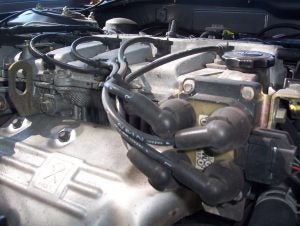
distributor and spark plug wires

Every car makes it share of noises, but not all sounds are treated the same way. What do you do if you're driving down the road, and you suddenly hear a series of pops, thuds, or hissing? Some of these sounds must be dealt with promptly, or they can lead to an expensive repair bill. Here are six engine noises that you never want to ignore and what you should do about them.

1. Squealing, Scraping, and Grinding

If you hear this cacophony of sounds, particularly when stopping, it could mean there is a problem with your brakes. While your brake pads are designed to squeak as they wear out, this is one car part that you don't want to ignore, for safety sake.

Grinding and growling noises from your brakes could be a sign that the pads are far past their replacement date, and the metal components of your braking system are grinding together. Get your car into a qualified mechanic and have them address the problem immediately.

2. Thumping Noises

You're cruising along when you hear a thumping sound. It can happen when you're turning or when you're driving straight. Sometimes you might notice this noise when accelerating. Thumping noises often stem from a damaged tire or a faulty constant-velocity (CV) joint. Your brakes may also be the culprit, so don't wait to have these important systems examined by your technician.

3. Hissing or Sizzling

Next time you're sitting patiently at a traffic light and a big cloud of steam hisses out of your engine, you have a leak. This sound is proof that one of your engine fluids — oil, coolant, or power steering fluid — is dripping on your engine's hot parts. This is a critical warning sign and one that, if ignored, could lead to permanent engine damage or even a fire. The best course of action is to pull over and call for a tow.

4. Squealing Under the Hood

Does your car start squealing when you start it up or press on the gas? This sound is a cry for help and is a sign you have a worn or loose accessory belt. These parts are pretty important because they run components like your power steering pump, alternator, and air conditioning compressor. Some newer vehicles use a serpentine belt that runs multiple accessories, so when this part fails, you'll notice problems in several systems.

5. Consistent Rattles

If you hear rattling from your car's engine compartment, you've got a problem that you need to address as soon as possible. This sound often indicates loose or failing engine parts like your drive belt tensioner or, if the sound is coming from under the car, issues within your suspension system.

These are five common engine noises that you never want to ignore. All of these sounds demand your attention. You should trust only a certified mechanic to keep your vehicle on the road, like the one you'll find at your local Chrysler Dodge Jeep dealership.

Image via Flickr by sylvar

Posted in:

Related Posts

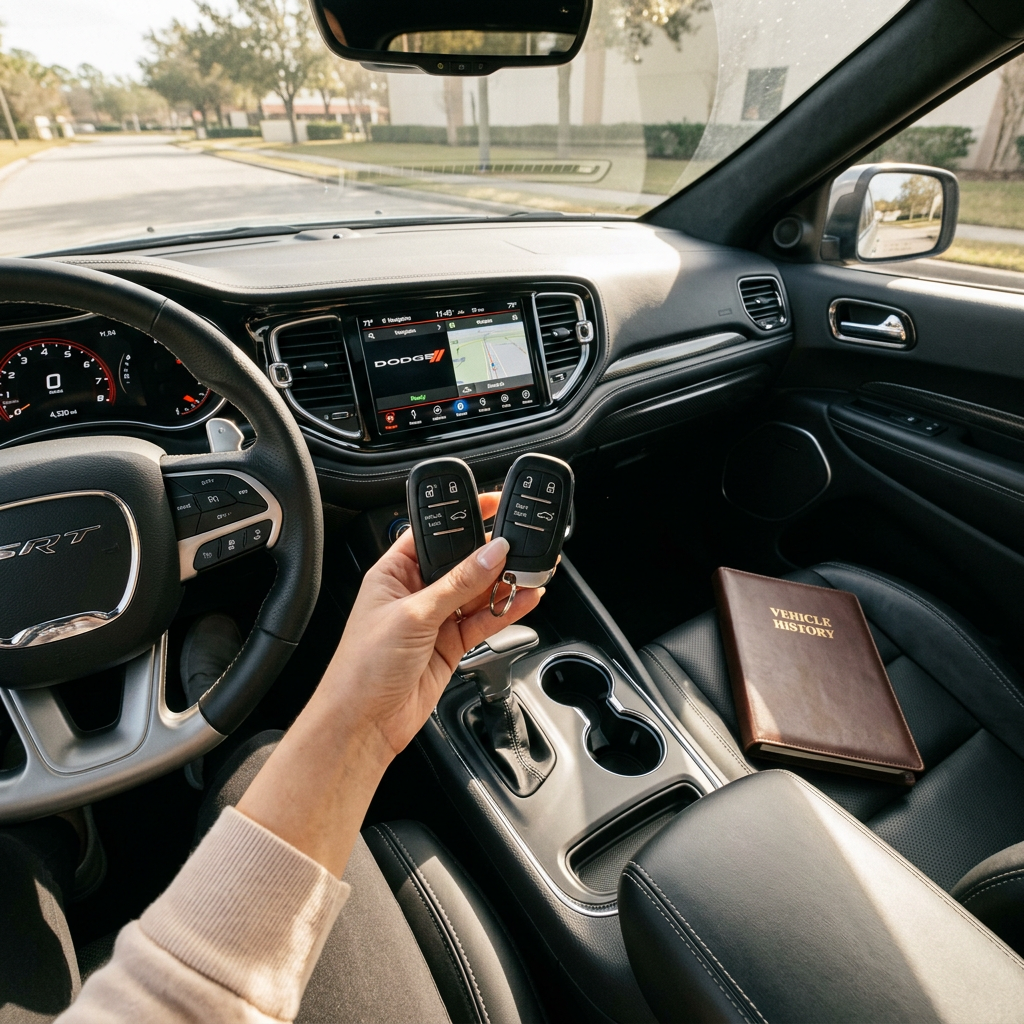
A person holding two key fobs inside a Dodge SRT vehicle, with a vehicle history binder on the passenger seat. (Representative image for illustration purposes only. Actual vehicle may vary based on trim and configuration.)

Proven Ways to Increase Your Wyoming Vehicle Trade-In Value

Preparing a vehicle for a dealership appraisal is one of the most direct ways to secure a higher offer. When our team evaluates a vehicle, we look at the overall presentation alongside mechanical and physical condition. Taking a few deliberate steps before bringing your vehicle to our showroom can prevent common deductions and help you get the highest possible return. A thorough interior and exterior cleaning is the easiest way to improve your vehicle's presentation. A clean car suggests responsible ownership and makes it easier for our appraisers to evaluate the true condition of the paint and upholstery. Removing personal items from the glove box, center console, and cargo areas allows for a seamless inspection. It is also wise to delete your personal data, saved addresses, and paired phones from the infotainment system to protect your privacy before handing over the keys. Addressing inexpensive, minor cosmetic issues can also prevent appraisers from deducting reconditioning costs from your offer. Replacing a burned-out bulb, installing fresh wiper blades, or topping off essential fluids are low-cost steps that signal the vehicle has been well-maintained. While major bodywork or expensive mechanical overhauls are rarely worth the retail cost right before a trade, fixing small chips or securing loose trim pieces can protect your vehicle's bottom line. If you want to explore upgrading your ride, you can browse our selection of new vehicles online or use our online tool to value your trade-in from home. Table of Contents How to Quickly Estimate What Your Car is Worth Before Visiting the Lot Comparing Online Trade-In Estimates to Private Party Cash Values Why Local Wyoming Demand and Regional Inventory Shape Your Offer The Essential Paperwork and Items to Bring for a Maximum Valuation Why You Should Negotiate Your Trade-In Separately From Your New Purchase How Sales Tax Credits on Vehicle Trade-Ins Can Lower Your Overall Purchase Cost Quick Answers Before You Visit Maximize Your Buying Power at Fremont Casper CDJR How to Quickly Estimate What Your Car is Worth Before Visiting the Lot Establishing a realistic baseline value for your used vehicle before visiting a dealership ensures you enter negotiations with clear, data-backed expectations. Online appraisal tools are highly accessible resources that provide immediate estimates based on historical market transactions. By entering specific details about your vehicle, you can generate a reliable pricing bracket in just a few minutes. Most digital valuation platforms require your vehicle identification number (VIN) or license plate, alongside accurate mileage, color, options, and overall condition. It is important to be highly objective when selecting the condition tier. Very few vehicles qualify as pristine, so selecting a realistic condition category ensures your online estimate aligns closely with what an in-person appraiser will observe on our lot. When shoppers call our desk to ask how they can quickly find out what their car is worth before trading it in, we always suggest starting with our online tools to establish a solid baseline. This initial estimate serves as a helpful guide as you begin researching your next purchase. Once you have a firm grasp of your current vehicle's estimated value, you can confidently explore our diverse inventory of used vehicles to find a model that fits your budget and driving needs. Comparing Online Trade-In Estimates to Private Party Cash Values Selling a vehicle directly to a private buyer typically yields a higher gross dollar amount than trading it in at a dealership, but this difference comes with distinct operational trade-offs. The gap between private party value and trade-in value generally ranges from $1,000 to $4,000. Understanding why this pricing spread exists allows you to make an informed decision about which route best fits your schedule and financial goals. A private buyer pays a retail-adjacent price because they are the end consumer purchasing the vehicle for personal use. In contrast, a dealership must factor in the overhead costs of reconditioning, detailing, safety inspections, marketing, and physical lot space before reselling the vehicle. If a vehicle has high mileage or significant wear, a dealer may choose to wholesale it at auction, which carries additional transport and transaction fees that naturally lower the initial trade-in offer. The convenience of a trade-in often offsets the gross price difference for busy buyers. A private sale requires listing the vehicle, responding to inquiries, scheduling test drives with strangers, and handling complex title transfer paperwork. Trading in your vehicle at our dealership consolidates the entire process into a single, secure transaction completed in under an hour. To see how your estimated trade-in value fits into your monthly budget, you can utilize our online payment calculator to model different purchase scenarios. Why Local Wyoming Demand and Regional Inventory Shape Your Offer Local Casper and Wyoming market dynamics and seasonal demand play a powerful role in determining the final appraisal value of your vehicle. National online valuation tools rely on broad, algorithmically generated data that often fails to capture regional preferences and immediate inventory shortages. Dealers base their physical appraisals on real-time wholesale transaction data within the immediate region to ensure the vehicles they acquire align with local buyer needs. On the high plains plateaus, and mountains around Wyoming, where ranching roots and strong winds require heavy-duty towing power, a used four-wheel drive truck with a high towing capacity commands a premium that national algorithms often miss. Conversely, a rear-wheel drive coupe may see softer demand in regions prone to sudden weather shifts. Seasonal timing also influences these numbers, as demand for capable utility vehicles typically rises ahead of late-season storms, while smaller commuter options may peak during different economic cycles. When regional used inventory is exceptionally tight, dealerships compete more aggressively for quality trade-ins, which can drive up the value of your vehicle. This localized demand is particularly influential for specialized segments. If you are looking to transition your current vehicle into a commercial asset, you can explore our dedicated selection of fleet and commercial vehicles to find a heavy-duty option built for demanding work environments. The Essential Paperwork and Items to Bring for a Maximum Valuation Arriving at the dealership with a complete set of physical items and documents prevents the appraisal from being delayed or discounted. Missing components like spare keys or title documentation can directly reduce a trade-in offer because the dealership must absorb the cost of replacing them before the vehicle can be resold. Organizing these items in advance demonstrates responsible ownership and streamlines the entire transaction. You should compile a complete folder of your vehicle's history, including: The physical vehicle title (if the loan is fully paid off) or current lienholder payoff information The active vehicle registration and a valid driver's license Detailed service records showing routine oil changes, tire rotations, and completed recall work Both sets of factory keys or key fobs, which can cost hundreds of dollars to replace if missing Original vehicle accessories, such as the owner's manual, cargo covers, or specialized floor mats Providing a clear, paper-backed service history reduces the perceived risk for our appraisers and can support a stronger final offer. If you are trading in a vehicle to transition into a more budget-friendly option, having your paperwork fully prepared makes it easy to apply your equity toward our inventory of vehicles under $20k. Why You Should Negotiate Your Trade-In Separately From Your New Purchase Keeping the trade-in valuation and the purchase price of your next vehicle as two distinct transactions prevents confusion and ensures total transparency. When these two elements are bundled together too early in the conversation, it becomes difficult to track the actual Wyoming vehicle trade-in value of each component. Treating them as separate deals allows you to evaluate the true merit of both the trade-in offer and the purchase price. For drivers navigating the steep mountain passes around Jackson, upgrading to a vehicle with advanced all-wheel drive or modern winter-ready features is a priority, but keeping the trade-in separate ensures those upgrades are negotiated on a clean slate. Once the purchase price of your next vehicle is locked in, you can introduce your trade-in to see exactly how much it lowers your overall out-of-pocket cost. This clear approach is highly beneficial whether you are looking at traditional models or browsing our latest new electric and hybrid vehicles. How Sales Tax Credits on Vehicle Trade-Ins Can Lower Your Overall Purchase Cost The state of Wyoming offers a direct financial incentive for trading in a vehicle rather than selling it privately. When you trade in a vehicle and purchase another one in a single transaction, you only pay state sales tax on the net difference between the two vehicles. This tax credit can narrow or completely eliminate the financial gap between a dealer trade-in offer and a private sale. For example, if you purchase a vehicle for $30,000 and receive a trade-in allowance of $10,000, your taxable purchase price is reduced to $20,000. In a county with a 5% sales tax rate, you would pay $1,000 in sales tax instead of $1,500, resulting in an immediate savings of $500. If you were to sell your vehicle privately, you would lose this tax advantage entirely and owe sales tax on the full $30,000 purchase price. Calculating the after-tax value of your trade-in provides a much more accurate comparison than simply looking at the gross offer. To see how these tax advantages apply to your next vehicle purchase, stop by our showroom to speak with our finance team. Quick Answers Before You Visit Q: Do aftermarket modifications like lift kits or custom wheels increase my trade-in value? Aftermarket modifications rarely return their retail cost during an appraisal and can sometimes lower your trade-in value. Many buyers prefer vehicles in factory-standard condition, meaning heavily modified vehicles may require extra reconditioning to return them to stock before they can be resold. Q: What happens to my trade-in offer if there is an active manufacturer safety recall on my car? An active safety recall does not prevent you from trading in your vehicle, but it must be addressed. Because franchised dealerships can perform manufacturer-authorized recall repairs, we can typically resolve the issue during our reconditioning process, though it is helpful to disclose any open recalls upfront. Q: Can I trade in a vehicle if the registration has expired? Yes, you can trade in a vehicle with an expired registration. The registration status does not affect the physical value of the vehicle, though you must still provide proof of ownership, such as a valid title, to complete the transfer of ownership legally. Q: How long is a written dealership trade-in appraisal valid? Most written trade-in appraisals are valid for seven days or a specific mileage limit, such as 500 additional miles. This window gives you time to finalize your purchase decision while protecting the dealership against sudden shifts in the used vehicle market or physical changes to the car. Q: What should I do if I owe more on my auto loan than my trade-in is worth? This situation is known as negative equity, or being upsides down or, underwater on your loan. You can either pay the difference directly to satisfy the lien or, subject to lender approval, roll the remaining balance into the financing of your next vehicle purchase. Maximize Your Buying Power at Fremont Casper Chrysler Dodge Jeep RAM Securing the best possible value for your trade-in is a practical process of preparation, documentation, and understanding local market demand. By taking the time to clean your vehicle, organize your maintenance records, and negotiate your trade-in as a standalone deal, you can maximize your purchasing power and lower your monthly payments. Our team is committed to providing transparent, straightforward appraisals that reflect the true value of your vehicle in our local market. When you are ready to take the next step, our finance and sales professionals are here to help you navigate the transition. We invite you to utilize our online valuation tools to get a preliminary estimate, browse our extensive inventory of cars, trucks, and SUVs, and visit our showroom to experience a hassle-free appraisal process. Let us help you turn your current vehicle into a competitive advantage for your next purchase.

Blue Subaru

4 Reasons to Consider a Certified Pre-Owned Vehicle

When you're looking for the perfect vehicle, the decision between a new or used car is a daunting task and typically a money issue. You may not want to spend an exorbitant amount of money on a vehicle when there are great used models that provide a much more affordable option. You may be experiencing worry, though, that you may have less life in a used vehicle and you may run the risk of spending the money saved on repairs. However, there is a best-of-both-worlds solution: a Certified Pre-Owned (CPO) vehicle. Here are four reasons to consider spending a little extra on a CPO model. Inspected by the Manufacturer What makes a CPO vehicle? The certification comes from a thorough multi-point inspection administered by the manufacturer, ensuring a vehicle that's in tip-top shape and won't spark problems the second you leave the lot. While inspections are mandatory and the vehicle must pass every point of the inspection to be certified, it's still a great idea to have the vehicle checked by a mechanic you trust.  Cars aren't cheap, and you want to be sure you're spending your money wisely. A Lightly Used and Well-Maintained Vehicle Part of the inspection stipulations mandates low age, low mileage, and frequent maintenance. Most CPO vehicles are formerly leased vehicles, which means previous drivers most likely had to adhere to strict mileage usage and kept their cars in the best condition possible so they would not be charged extra. At most, expect around 70,000 miles on the vehicle, though most CPOs are only about 3 years old with fewer than 40,000 miles. Extended Warranty Most CPO models come with an extended warranty to give you even more peace of mind. The warranty you're guaranteed means the manufacturer covers the costs of any repairs you may need, and the manufacturer wants to ensure that you'll have no need to bring the vehicle back for repairs. Not every extended warranty is the same, though, so be sure to do your research into what your CPO vehicle's warranty will cover. Some extend the original warranty by more miles or time, while others have warranties that start after you purchase the vehicle. To make sure you're getting the most for your money, you'll want to have a warranty that's worth it. Financing Deals While CPO models may have higher costs than non-certified models, manufacturers, banks, and lenders often offer low-interest financing deals for these vehicles. This means CPO models are treated more like new cars than used ones. Uncertified vehicles often have higher interest rates that may significantly raise the total amount you're spending on the vehicle. And, as with any vehicle purchase, you still have the power of negotiation. Don't be afraid to haggle just because the vehicle you have your eye on is a Certified Pre-Owned model. Do yourself a favor and take some of the stress out of shopping for a used car. Considering a Certified Pre-Owned vehicle means considering a lightly used and well-maintained vehicle with a few extra perks that a non-certified vehicle can't offer. Along with your due diligence, the certification gives you the peace of mind you need to finally make the car of your dreams a reality. Image via Flickr by thematthewknot

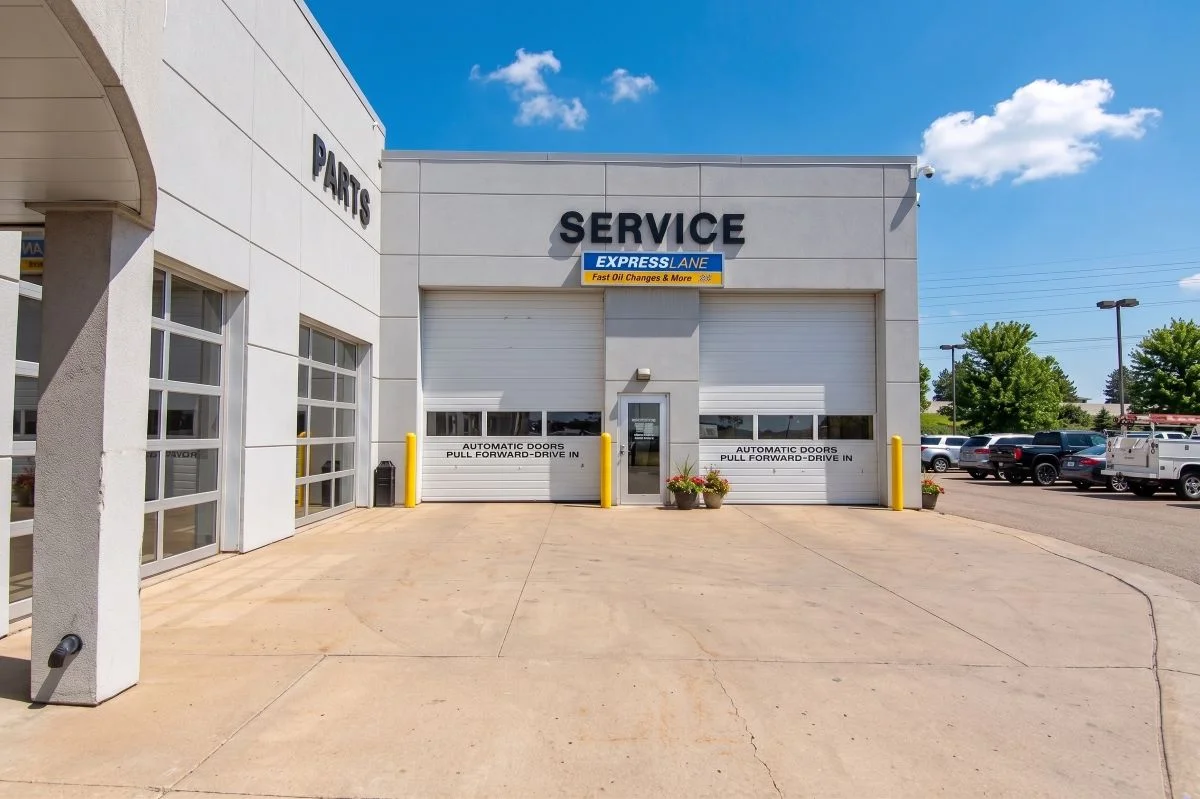
Mopar Express Lane oil change entrance at Fremont Chrysler Dodge Jeep Ram Casper in Casper WY

How Often Does a RAM 1500 Need An Oil Change in WY

Quick Jump: Oil Capacity & Viscosity by Engine Wyoming Driving Intervals Hurricane I-6 vs. HEMI® V8 Oil Casper Express Lane & Fremont Care Ram 1500 Oil FAQs Quick Answer: Ram 1500 Oil Change Intervals for Wyoming Drivers In Wyoming, most Ram 1500 trucks require a full synthetic oil and Mopar® filter change every 3,500 to 5,000 miles (or every 4 to 6 months). Because sub-zero Natrona County cold starts (below 32°F / 0°C), high-altitude towing over Casper Mountain or along WY-220, extended winter warm-up idling, short city trips under 10 miles, and dusty ranch or oilfield roads all qualify as Severe Duty under Ram's official Owner's Manual schedule, changing oil at 5,000-mile intervals protects turbocharger bearings, timing chains, and hydraulic lifters from fuel dilution and thermal breakdown. If your driving consists primarily of mild-weather highway commuting on I-25 without heavy towing or extended idling, you can follow your truck's Intelligent Oil Life Indicator (OILI) —typically every 6,000 to 7,500 miles (or 6 months). Under factory warranty guidelines, never exceed 10,000 miles, 12 months, or 350 engine operating hours on 3.6L Pentastar® V6, 3.0L Hurricane Twin-Turbo I-6, or 5.7L HEMI® V8 models (or 6,000 miles / 6 months on 6.2L Supercharged HEMI® V8 TRX models). 3,500–5,000 Miles Wyoming Severe-Duty Interval: Sub-32°F winter cold starts, trailer towing, winter idling, short trips & gravel ranch roads (4–6 months). 6,000–7,500 Miles Normal Highway Interval: Mild-weather I-25 & US-20/26 highway commuting using factory-spec Pennzoil® full synthetic oil (6 months). 10,000 Mi / 12 Mos Absolute Factory Cap: Never exceed 10,000 miles, 12 months, or 350 engine hours (6,000 miles / 6 months max on 6.2L TRX SRT). Visit Casper Mopar® Express Lane (No Appt) Schedule Service Online View Service & Oil Specials Ram 1500 Oil Capacity, SAE Viscosity & Mopar® Spec Chart by Engine Selecting the wrong oil viscosity can trigger check-engine faults on 5.7L HEMI® V8 Multi-Displacement System (MDS) solenoids or starve twin-turbocharger bearings on 3.0L Hurricane I-6 engines during sub-zero Casper startups. Review the verified OEM factory specifications below: Ram 1500 Engine & Output Model Years & Trims Oil Capacity (With Filter)* Factory Oil Viscosity & Mopar® Standard Recommended Wyoming Interval 3.0L Hurricane I-6 Twin-Turbo Standard Output (SO) 420 hp / 469 lb.-ft. 2025–2027 Tradesman, Express, Warlock, Big Horn, Laramie & Rebel 7.5 Quarts (7.1 Liters) SAE 0W-20 Full Synthetic Pennzoil Ultra Platinum™ GF-6+ (API SP / Mopar® MS-13340) 3,500–5,000 mi (Winter / Towing) 6,000–7,500 mi (Normal Hwy) Max cap: 10,000 mi / 12 mos 3.0L Hurricane I-6 Twin-Turbo High Output (HO) 540 hp / 521 lb.-ft. 2025–2027 RHO, Limited, Longhorn & Tungsten 7.5 Quarts (7.1 Liters) SAE 0W-40 Full Synthetic Pennzoil Ultra Platinum™ API SP (Mopar® MS-A0921) 3,500–5,000 mi (Winter / Off-Road / Tow) 6,000 mi (Normal Hwy) Max cap: 10,000 mi / 12 mos 3.6L Pentastar® V6 eTorque 305 hp / 269–271 lb.-ft. 2019–2027 Tradesman, Express, Big Horn & Rebel (5W-20 on 2013–2018 Classic) 6.0 Quarts (5.7 Liters) SAE 0W-20 Full Synthetic API SP / ILSAC GF-6A (Mopar® MS-6395) 4,000–5,000 mi (Winter / Short Trips) 6,000–7,500 mi (Normal Hwy) Max cap: 10,000 mi / 12 mos 5.7L HEMI® V8 & 5.7L HEMI® V8 eTorque 395 hp / 410 lb.-ft. 2009–2024 & 2026–2027 Tradesman, Big Horn, Laramie, Rebel, Longhorn, Limited & Rumble Bee 7.0 Quarts (6.6 Liters) SAE 5W-20 (or 0W-20 by MY) API SP Full Synthetic (Mopar® MS-6395 — required for MDS cylinder deactivation) 3,500–5,000 mi (Winter / Towing / Idle) 6,000–7,500 mi (Normal Hwy) Max cap: 10,000 mi / 12 mos 6.4L HEMI® V8 (392) 470 hp / 455 lb.-ft. 2027 Rumble Bee 392 & Rumble Bee 392 Track Pack 7.0 Quarts (6.6 Liters) SAE 0W-40 Full Synthetic Pennzoil Ultra Platinum™ (Mopar® MS-A0921) 3,500–5,000 mi (Winter / Performance) 6,000 mi (Normal Hwy) 6.2L Supercharged HEMI® V8 702–777 hp / 650–680 lb.-ft. 2021–2024 TRX & 2027 TRX SRT / Rumble Bee SRT 7.9 Quarts (7.4L) on 777-hp TRX SRT (7.0 Quarts w/ filter on 2021–2024 TRX) SAE 0W-40 Full Synthetic Pennzoil Ultra Platinum™ (Mopar® MS-A0921) 3,000–4,000 mi (Off-Road / Winter) Strict Factory Cap: 6,000 mi / 6 mos 3.0L EcoDiesel V6 Turbo Diesel 240–260 hp / 420–480 lb.-ft. 2014–2023 Pre-Owned Ram 1500 EcoDiesel 8.5 Quarts (8.0L) on Gen 3 (2020–2023) 10.5 Quarts on Gen 2 (2014–2019) SAE 5W-40 Full Synthetic Diesel API CK-4 Low-Ash (Mopar® MS-12991) 5,000 mi (Winter Idle / Towing / B20) 7,500–10,000 mi (Normal Hwy) Why Central Wyoming Driving Qualifies as "Severe Duty" for Your Ram 1500 Many truck owners see "up to 10,000 miles" in a general maintenance brochure without reading the severe-duty footnotes in the Ram 1500 Owner's Manual. At 5,150 feet of elevation in Casper —and up to 7,990 feet on Casper Mountain —nearly every local truck encounters at least two of the four conditions below: Wyoming Driving Condition Local Natrona County Examples How It Degrades Ram 1500 Engine Oil Recommended Oil & Filter Interval 1. Sub-Zero Cold Starts & Short Trips (<32°F / 0°C) Morning starts between -20°F and 25°F across Casper, Mills, Evansville & Bar Nunn; commutes under 8–10 miles along East 2nd St or CY Ave Cold enrichment injects extra fuel that washes past piston rings into the crankcase, while condensation fails to boil off below 212°F oil temp—forming acidic sludge Every 3,500 to 4,500 Miles (or every 4–5 months; always change before November freeze and again in spring) 2. High-Altitude Trailer Towing & Mountain Grades Towing boats, campers, or horse trailers (up to 11,370 lbs. on Ram 1500 4x4 Quad Cab 3.0L SO w/ 3.92 axle)* up WY-251 (Casper Mountain), WY-220 to Alcova/Pathfinder, or I-25 grades Sustained turbo boost (up to 22–26 psi on Hurricane I-6) and high RPM shear polymer viscosity modifiers and spike oil sump temperatures above 240°F Every 4,000 to 5,000 Miles (inspect oil level on the dipstick before every long mountain haul) 3. Extended Winter Idling & Jobsite Operation Remote-starting to defrost windshields, jobsite idling on Natrona County ranch or energy leases, or slow-speed 4WD Low work 1 hour of engine idling equals roughly 30 to 33 miles of highway wear with low oil pump pressure at the camshaft lobes and lifters Every 4,000 Miles or 200–250 Engine Hours (never exceed Ram's 350-hour maximum limit) 4. Dusty Ranch, Gravel & Two-Track Roads Driving on unpaved county roads toward Shirley Basin, Powder River, Poison Spider Road, or Alcova backcountry Airborne alkali and silica dust challenge air filtration; microscopic particulates suspended in engine oil accelerate timing chain and ring wear Every 3,500 to 5,000 Miles (inspect engine air filter at every oil change) 5. Mild-Weather Highway Commuting Unloaded highway trips at steady speeds along I-25 between Casper, Glenrock & Douglas between May and September Oil reaches optimal 200°F–220°F operating temperature, evaporating moisture and fuel vapor cleanly through the PCV system Every 6,000 to 7,500 Miles (or every 6 months using full synthetic oil) Engine-Specific Oil Requirements: 3.0L Hurricane I-6 vs. 5.7L HEMI® V8 vs. 3.6L Pentastar® V6 Whether you drive a brand-new Ram 1500 4x4 from our East 2nd Street showroom or a proven pre-owned Ram 1500, each engine architecture has distinct lubrication engineering: 1. 3.0L Hurricane Twin-Turbo I-6 (SO vs. HO): Why 0W-20 and 0W-40 Cannot Be Swapped 7.5-Quart Die-Cast Aluminum Sump: Both the 420-hp Standard Output (SO) and 540-hp High Output (HO) 3.0L Hurricane engines hold exactly 7.5 quarts (7.1 liters) of oil with a new filter and feature plasma-transfer wire arc (PTWA) spray-bore cylinder walls, DLC-coated piston pins, and 5,075-psi (350-bar) direct fuel injection. Standard Output (420 hp) Uses 0W-20 (MS-13340): Factory-filled with Pennzoil Ultra Platinum™ 0W-20 GF-6+ (API SP) to maximize cold-cranking oil flow at -25°F and protect against Low-Speed Pre-Ignition (LSPI). High Output (540 hp on RHO, Limited, Longhorn & Tungsten) Requires 0W-40 (MS-A0921): Because the HO engine runs higher turbo boost (up to 26 psi) and forged aluminum pistons at 9.5:1 compression, it requires Pennzoil Ultra Platinum™ 0W-40 API SP (MS-A0921) for high-temperature film strength. Never put 0W-20 into a 540-hp High Output Hurricane engine. 2. 5.7L HEMI® V8 & eTorque: Protecting MDS Solenoids & Roller Lifters 7.0-Quart Capacity & MS-6395 Specification: The 395-hp 5.7L HEMI® V8 (including 2026–2027 eTorque and Rumble Bee models) holds 7.0 quarts (6.6 liters) with filter. Why Viscosity Matters for MDS: The 5.7L HEMI® V8's Multi-Displacement System (MDS) relies on precise oil viscosity and hydraulic pressure through four cylinder-deactivation solenoids and 16 hydraulic roller lifters. Pouring in heavy 10W-30 or 15W-40 oil—especially in a Casper winter—can trigger Check Engine codes (such as P1524 Oil Pressure Out of Range) and delay oil flow to the upper valvetrain. Minimizing Idle Hours: Because cam lobes in pushrod V8s rely on crankshaft splash and lifter gallery flow that increases with RPM, sticking to a 4,000- to 5,000-mile full synthetic schedule with a genuine Mopar® anti-drainback filter (`MO-339`) is the single best defense against premature lifter wear. 3. 3.6L Pentastar® V6 eTorque: 6.0 Quarts & Cartridge Filter Care 6.0-Quart Capacity: The 305-hp 3.6L Pentastar® V6 eTorque holds 6.0 quarts (5.7 liters) with filter and specifies SAE 0W-20 full synthetic (MS-6395 / API SP) on 2019–2027 fifth-generation DT trucks. Top-Mounted Cartridge Filter (`MO-349`): The Pentastar® V6 uses a top-mounted oil filter housing with an o-ring seal. Our factory-certified Mopar® technicians torque the filter cap to exact specification (`25 N·m / 18 lb.-ft.`) and replace the o-ring at every service to prevent cold-weather oil filter housing leaks. 4. 6.2L Supercharged HEMI® V8 (TRX / SRT) & 6.4L HEMI® V8 (392) Strict 6,000-Mile / 6-Month Cap on TRX SRT: High-performance 6.2L Supercharged HEMI® V8 models (702 hp on 2021–2024 TRX; 777 hp / 680 lb.-ft. on 2027 TRX SRT with 7.9 quarts capacity) and 6.4L HEMI® V8 Rumble Bee 392 models (470 hp, 7.0 quarts) require Pennzoil Ultra Platinum™ 0W-40 (MS-A0921). Severe Off-Road & Cold Weather: If you run your Ram 1500 TRX or RHO in sand, mud, or sub-zero Wyoming snow, shorten oil changes to every 3,000 to 4,000 miles. No-Appointment Mopar® Express Lane: Pull straight into our Express Lane at 6101 E 2nd St, Casper, WY 82609 for Pennzoil® synthetic oil and genuine Mopar® filter changes. Factory-Certified Technicians: Every oil change includes a multi-point check of your AGM battery CCA, coolant freeze protection, brakes, and 4x4 driveline. 3.0L Hurricane & HEMI® V8 Expertise: We stock exact-spec Pennzoil Ultra Platinum™ 0W-20 (MS-13340), 0W-40 (MS-A0921), and 5W-20 (MS-6395) oils. Where to Get a Ram 1500 Oil Change in Casper, WY (Plus Fremont Care Benefits) At Fremont Chrysler Dodge Jeep Ram Casper —your authorized car dealership in Casper, WY at 6101 E 2nd St (just off I-25 Exit 185 and SE Wyoming Blvd)—we make keeping your Ram 1500 on a Wyoming-ready maintenance schedule fast and convenient: 1. Mopar® Express Lane (No Appointment Needed) Skip the wait: drive directly into our Mopar® Express Lane at 6101 E 2nd St for a fast oil and genuine Mopar® filter change, 4-tire rotation, chassis inspection, and H7 730-CCA AGM battery test—no appointment required. 2. Fremont Care on Eligible Vehicle Purchases* Purchasing a new or qualifying pre-owned Ram 1500 from us? Fremont Care comes with eligible vehicle purchases at Fremont CDJR Casper, providing 2 oil changes and 2 tire rotations within the initial 12 months of ownership ( see Fremont Care details)*. 3. Genuine Mopar® Filters & Warranty Records Quick-lube chains often install generic filters that lack the silicone anti-drainback valve pressure rating required for cold-weather HEMI® V8 and Hurricane I-6 starts. Our Mopar® Service Center uses OEM filters and logs every visit to your official Mopar® warranty history. How to Check & Reset Your Ram 1500 Oil Life Indicator After an Oil Change When our technicians service your truck at 6101 E 2nd St, we reset your digital oil life monitor automatically. If you ever need to check your remaining oil life percentage or reset the alert manually from the driver's seat, follow these steps: Step 1 (Ignition to ON/RUN): Without pressing the brake pedal, push the ENGINE START/STOP button twice so the ignition enters the ON/RUN position with the engine off. Step 2 (Navigate Cluster Menu): Use the left-hand steering wheel directional buttons to open the Vehicle Info menu on your digital gauge cluster and scroll to the Oil Life screen. Step 3 (Hold OK to Reset): Press and hold the OK button (or right arrow button on select cluster layouts) until the gauge resets to 100%. (Fallback pedal method on older models: with ignition in ON/RUN and engine off, fully depress and release the accelerator pedal slowly 3 times within 10 seconds, then turn ignition OFF.) Ram 1500 Oil Change in Wyoming — Frequently Asked Questions Click any question below for verified answers on Ram 1500 oil capacities, viscosity grades, Wyoming severe-duty intervals, and service at Fremont CDJR Casper: How often does a Ram 1500 need an oil change in Wyoming? + In Wyoming, most Ram 1500 owners should change their oil every 3,500 to 5,000 miles (or every 4 to 6 months) because sub-zero winter cold starts (below 32°F), mountain towing, winter warm-up idling, short trips under 10 miles, and dusty gravel roads qualify as Severe Duty. For mild-weather highway driving, change full synthetic oil every 6,000 to 7,500 miles, and never exceed the factory cap of 10,000 miles, 12 months, or 350 engine hours (or 6,000 miles / 6 months on 6.2L TRX SRT models). How many quarts of oil does a Ram 1500 take with a filter change? + By engine with a new filter: the 3.6L Pentastar® V6 eTorque takes 6.0 quarts (5.7 liters); the 5.7L HEMI® V8 / eTorque and 6.4L HEMI® V8 (392) take 7.0 quarts (6.6 liters); both the 420-hp Standard Output and 540-hp High Output 3.0L Hurricane Twin-Turbo I-6 engines take 7.5 quarts (7.1 liters); the 777-hp 6.2L Supercharged HEMI® V8 (TRX SRT) takes 7.9 quarts (7.4 liters); and pre-owned 3.0L EcoDiesel V6 models take 8.5 quarts (2020–2023 Gen 3) or 10.5 quarts (2014–2019 Gen 2). What type of oil does the 3.0L Hurricane Twin-Turbo I-6 Ram 1500 require? + It depends on output level: the 420-hp 3.0L Hurricane Standard Output (SO) requires 7.5 quarts of Pennzoil Ultra Platinum™ SAE 0W-20 full synthetic (API SP / GF-6+ / Mopar® MS-13340), while the 540-hp 3.0L Hurricane High Output (HO) (on RHO, Limited, Longhorn, and Tungsten) requires 7.5 quarts of Pennzoil Ultra Platinum™ SAE 0W-40 full synthetic meeting Mopar® MS-A0921 (API SP). What oil weight does a 5.7L HEMI® V8 Ram 1500 use? + The 5.7L HEMI® V8 (including eTorque models) requires 7.0 quarts of SAE 5W-20 (or SAE 0W-20 as specified on the oil filler cap of select newer model years) meeting Mopar® Material Standard MS-6395 and API SP. Using heavier viscosity oil can interfere with the Multi-Displacement System (MDS) cylinder deactivation solenoids and trigger a Check Engine light. Do I need an appointment for a Ram 1500 oil change at Fremont CDJR Casper? + No appointment is needed at our Mopar® Express Lane at 6101 E 2nd St, Casper, WY 82609. You can also schedule a service appointment online or call our service advisors at (307) 462-5514. Does Fremont Care include oil changes on a Ram 1500 purchased at Fremont CDJR Casper? + Yes. Fremont Care comes with eligible vehicle purchases —including new Ram 1500 trucks and qualifying pre-owned vehicles—at Fremont Chrysler Dodge Jeep Ram Casper. It provides 2 oil changes and 2 tire rotations within the initial 12 months of ownership. Ready for Your Next Ram 1500 Oil Change in Casper, WY? Pull into the no-appointment Mopar® Express Lane at Fremont Chrysler Dodge Jeep Ram Casper (6101 E 2nd St, Casper, WY 82609) or call (307) 462-5514 for factory-certified Pennzoil® full synthetic service. Mopar® Express Lane Info Book Service Online Shop New Ram 1500 4x4s * Maintenance, Capacity, Towing & Fremont Care Disclosures: Always consult your specific model-year Ram 1500 Owner's Manual and under-hood engine oil filler cap for exact SAE viscosity grade, Mopar® material standard (MS-6395, MS-13340, MS-A0921, or MS-12991), and dipstick fill level verification. Up to 11,370 lbs. max 4x4 towing rating applies to a Ram 1500 Tradesman 4x4 Quad Cab 6'4" Box equipped with the 420-hp 3.0L Hurricane SO Twin-Turbo I-6, 8HP75 8-speed automatic transmission, and 3.92 axle ratio when properly equipped. Fremont Care comes with eligible vehicle purchases (new Chrysler, Dodge, Jeep, and Ram vehicles and qualifying pre-owned vehicles at Fremont Chrysler Dodge Jeep Ram Casper) and provides 2 oil changes and 2 tire rotations within the initial 12 months of ownership; excludes new vehicles that include an active OEM maintenance package from new. See dealer at 6101 E 2nd St, Casper, WY 82609 for complete details.