




There are lots of things to consider before purchasing a vehicle. But before you invest in a vehicle, one consideration you shouldn’t ignore is whether or not you want a new vehicle or a used one. Here are 4 things you need to consider to help you decide between a new and used car.
1. Depreciation Costs
Depreciation quantifies the loss in value of an item over time. Driving the vehicle off the lot will result in immediate depreciation of 20%. According to Kelly Blue Book most new vehicles depreciate as much as 30% in the first year. A $30,000 car might lose $6,000 the minute you drive away from the dealership, and as much as $9,000 after one year. If someone asked you to throw away $9,000 you’d say they were crazy, but people do it all the time when buying a new car. Buying a used car saves you that high cost of depreciation. Another answer to this depreciation conundrum comes in the question: How long are you planning on owning it?
2. Length of Ownership
If you are planning on owning the vehicle 10 years or more than the initial loss of value becomes more palatable. As depreciation slows down over time, the actual usage of the vehicle is where your value lies. However, if you are the type of person who wants a new vehicle every three years, be prepared to absorb the 30 percent loss each time you trade your vehicle in.
3. Warranty & Repairs
Here’s where the new car wins in the argument. Most manufacturers are offering significant warranties on new vehicles. Basic bumper to bumper warranties are usually 3 years or 36,000 miles. Powertrain warranties run from 5 to 10 years. Many offer extended warranty plans, some free, and some for a price. You get next to nothing on a used vehicle. These warranties are like insurance policies against your vehicle breaking down. The reliability of a new car is increased with these warranties. A used vehicle usually doesn’t come with one.
Repairing a used vehicle can cost thousands of dollars every year. Even new cars can cost up to $2,000 in maintenance and repair costs the first year. No matter how well built a car may be, things wear out.
4. Certified Pre-Owned
Most dealers offer certified pre-owned vehicles that come with good warranties. These certified pre-owned vehicles offer the best value because of this, and you’ve avoided the cost of depreciation when buying a new car.
Certified pre-owned vehicles are often leased vehicles of a single owner that have been maintained by the dealership as part of the lease. Mileage tends to be lower for the years driven, and overall cosmetics are better too. Simply put, you get a better used car, better warranty, at a lower price than buying new, and better reliability than buying used off the street.
The final decision is about the money. Specifically, when do you want to spend it, how much can you afford, and on what?
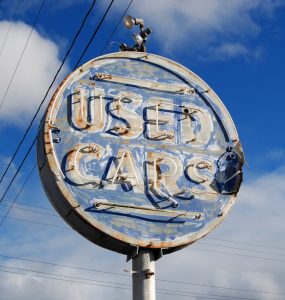
Image via Flickr by Roadsidepictures
Connect with us


